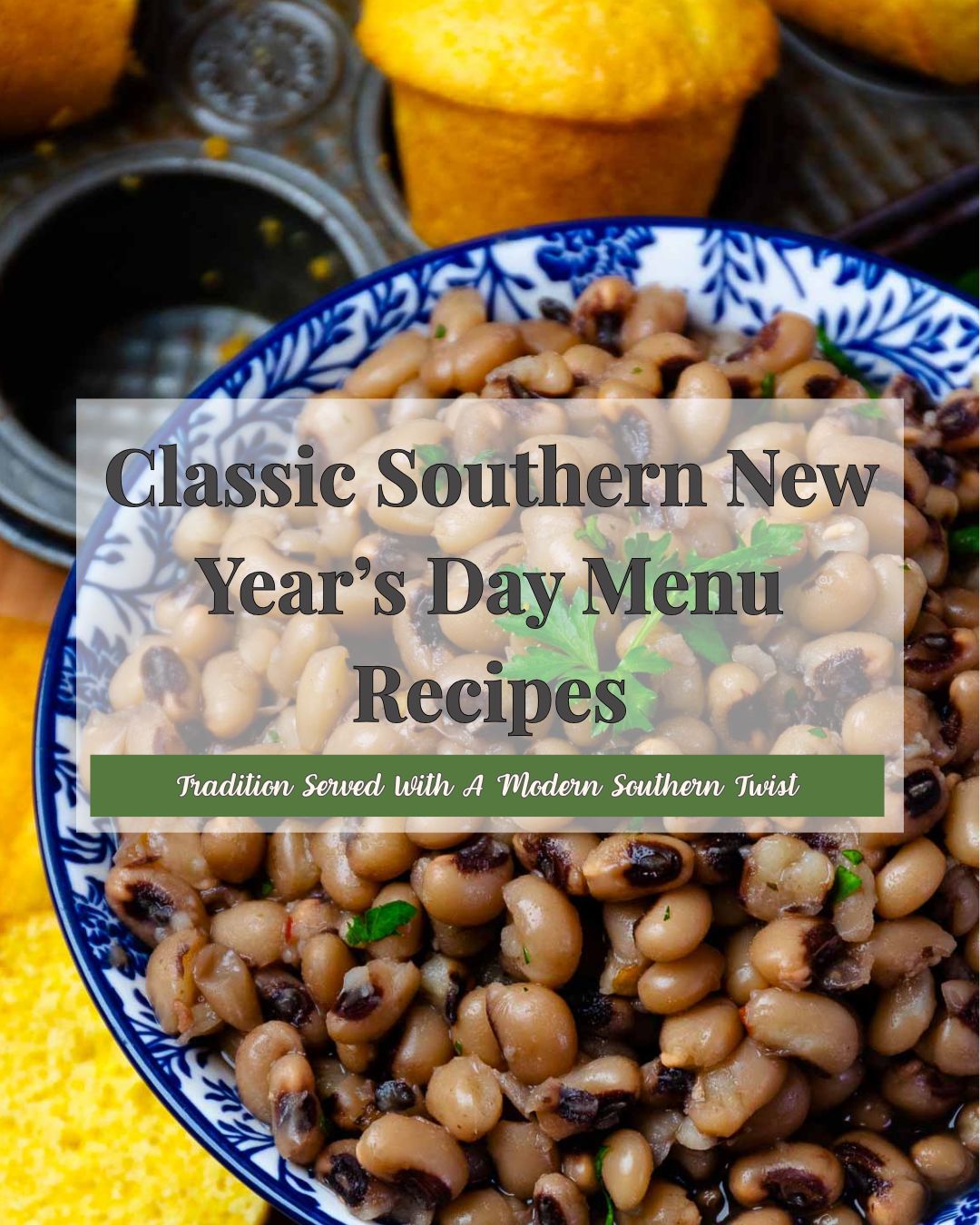
A Timeless Tradition: The Classic Southern New Year's Menu for Luck and Prosperity
As the calendar turns, ushering in a new year, countless cultures around the globe observe unique rituals and traditions to invite good fortune. In the American South, a particularly beloved and enduring custom revolves around a specific culinary triad served on New Year's Day: pork, black-eyed peas, and greens. This isn't just a meal; it's a heartfelt wish for health, luck, and prosperity, deeply rooted in history and passed down through generations. Whether you grew up with a Southern matriarch ensuring this feast hit the table, or you're simply curious about a tradition steeped in folklore and flavor, understanding the symbolism and savoring the dishes of a classic
southern new years menu offers a delicious path to beginning your year on a fortunate note.
The beauty of this tradition lies not only in its promise but also in its simplicity and heartwarming flavors. For many, it evokes memories of family gatherings, the comforting aroma of slow-cooked food, and the shared hope for a bright future. Even in households with diverse culinary backgrounds, like those where Northern stuffing might meet Southern cornbread dressing, the New Year's Day table often holds steadfast to this powerful Southern decree.
The Rich Tapestry: Origins of the Southern New Year's Day Feast
The tradition of consuming specific foods on New Year's Day for luck and prosperity is not unique to the South, but the combination of pork, peas, and greens has a particularly resonant history within the region. Its roots stretch back centuries, intertwining with agricultural practices, cultural exchanges, and significant historical events.
Why These Specific Foods?
Each component of the
southern new years menu carries symbolic weight, often stemming from practical observations and beliefs:
* **Pork for Progress:** Pigs are known for rooting forward, symbolizing progress and moving into the new year with momentum. Unlike chickens or turkeys, which scratch backward, pigs are seen as a sign of forward movement and prosperity. Historically, pigs were also a staple on Southern farms, providing a rich, fatty meat that signified plenty and abundance, especially during colder months.
* **Black-Eyed Peas for Pennies:** Black-eyed peas are traditionally associated with coins or wealth. Their small, round shape is often likened to pennies or small change, promising financial prosperity in the coming year. This legume gained particular significance in the South following the Civil War and the Emancipation Proclamation. Legend has it that freed slaves, after being released, had little more than black-eyed peas and salt pork to sustain them, turning this humble food into a symbol of survival, resilience, and newfound freedom, eventually transforming it into a beacon of luck.
* **Greens for Greenbacks:** The various leafy greens — collards, turnip greens, or mustard greens — symbolize paper money, or "greenbacks." Eating a generous portion of greens is believed to ensure financial wealth and abundance in the year ahead. The more greens you eat, the more prosperous you'll supposedly become!
Together, these ingredients form a powerful culinary narrative, offering not just sustenance but a comforting assurance of good things to come. The emphasis on these dishes also speaks to a time when food was closely tied to the land and cycles of planting and harvesting, making the symbolism deeply organic and intuitive.
Decoding the Lucky Trio: Preparing Your Festive Feast
Embarking on the journey to prepare a traditional
southern new years menu means embracing both flavor and folklore. Each dish is relatively simple to prepare, yet allows for personal touches that can elevate the experience. For a deeper understanding of these culinary traditions, you might explore resources like
Why Southern New Year's Meals Bring Health and Luck.
Pork: The Foundation of Fortune
While hog jowl is a traditional choice for its intense smoky flavor and historical prevalence, many opt for more accessible cuts like a pork shoulder roast, ham, or even smoked pork chops. The key is often slow cooking to tender perfection, allowing the flavors to deepen.
*
Roast Pork: A simple pork roast, seasoned with salt, pepper, garlic, and perhaps a touch of paprika, slow-roasted until fork-tender, makes a magnificent centerpiece.
*
Smoked Ham: A pre-cooked smoked ham, glazed with brown sugar and mustard, offers both ease and deliciousness, providing those desired forward-moving pig elements.
*
Pork Shoulder: Great for pulled pork, seasoned with a dry rub and cooked low and slow until it shreds easily.
Whichever cut you choose, ensure it's cooked with care, signifying the richness and fullness you hope to bring into the new year.
Black-Eyed Peas: Your Bowl of Prosperity
The most famous preparation of black-eyed peas for New Year's is Hoppin' John, a dish that combines black-eyed peas with rice, often with some chopped onion, bacon, or ham hock for flavor. But even simple stewed peas are potent.
*
Hoppin' John: Sauté onions and celery, add diced bacon or ham hock, then cooked black-eyed peas and rice. Simmer until the flavors meld. A dash of hot sauce is often a welcome addition.
*
Simple Stewed Peas: Cook dried black-eyed peas (after soaking overnight or quick-soaking) with a ham hock or smoked turkey leg, onion, and garlic. Season generously with salt, pepper, and a pinch of red pepper flakes. The resulting "pot liquor" — the flavorful broth — is highly prized and consumed alongside the peas.
*
Tips: Soaking dried peas reduces cooking time significantly. Don't be shy with the seasoning; black-eyed peas love smoky, savory additions.
Greens: Your Wealth in a Bowl
While collard greens are the iconic choice, turnip or mustard greens are also traditional and equally symbolic. Even the broccoli casserole mentioned in some family traditions, while not a leafy green, aligns with the spirit of vegetable consumption for health and can be a delightful substitute if collards aren't your preference or readily available. The secret to delicious Southern greens is slow cooking with a smoky meat, typically a ham hock, fatback, or smoked turkey wing, to create a rich, savory broth.
*
Preparation: Thoroughly wash the greens, removing any tough stems. Chop them into manageable pieces.
*
Cooking: Sauté some chopped onion and garlic, then add your smoked meat (ham hock, etc.) and a good amount of water or chicken broth. Bring to a simmer, add the greens, and cook low and slow for at least an hour, or until very tender.
*
Seasoning: Season with salt, pepper, a touch of sugar (to cut the bitterness), and a splash of apple cider vinegar or a squeeze of lemon juice at the end to brighten the flavors. The "pot liquor" from the greens is often considered as lucky as the greens themselves, meant to be sopped up with cornbread.
Assembling Your Classic Southern New Year's Menu
Crafting a complete
southern new years menu goes beyond just the lucky trio; it’s about creating a festive and nourishing spread. Here are some ideas to round out your meal:
*
Cornbread: An absolute essential! It's perfect for soaking up the "pot liquor" from the peas and greens. A skillet cornbread, made with buttermilk, is often preferred for its crispy crust and tender interior.
*
Sweet Potatoes: Whether roasted, mashed, or in a casserole, sweet potatoes offer a delicious counterpoint to the savory main dishes and add another layer of Southern comfort.
*
Additional Sides: Consider macaroni and cheese, green bean casserole, or a simple garden salad for extra variety and freshness.
*
Dessert: A pecan pie, peach cobbler, or banana pudding would be a perfectly Southern sweet ending to your meal.
When planning, remember that many components of this meal can be prepared ahead of time. The peas and greens often taste even better the next day, allowing you to enjoy your New Year's Day with less stress and more time with loved ones. For more ideas on how to craft a truly auspicious spread, check out this guide:
Southern New Year's Day Menu for Luck and Prosperity.
Beyond the Plate: The Enduring Power of Tradition and Community
While the specific ingredients of the
southern new years menu are potent symbols, the true power of this tradition lies in its ability to bring people together, foster hope, and reinforce cultural identity. It’s a moment to pause, reflect on the past year, and collectively wish for a brighter future.
Even in families where cultural backgrounds diverge, as with the example of a Northern father and Southern mother, the New Year's Day menu often remains a steadfast Southern tradition. This speaks volumes about the emotional resonance and perceived importance of these dishes. It’s a shared act of optimism, a culinary incantation for good things to come, and a way to pass down stories and heritage from one generation to the next.
This meal isn't just about luck; it's about the comfort of consistency, the warmth of family, and the delicious taste of home. It’s a testament to the enduring human desire for a fresh start, embodied in a plate full of delicious, symbolic food.
As you plan your own New Year's Day feast, whether you stick strictly to tradition or adapt it to your taste, remember the spirit behind the food. It's an invitation to embrace hope, celebrate community, and look forward to a year filled with health, luck, and prosperity. May your new year be as rich and fulfilling as a hearty bowl of Southern black-eyed peas and greens, with all the forward momentum of a well-cooked pork roast.