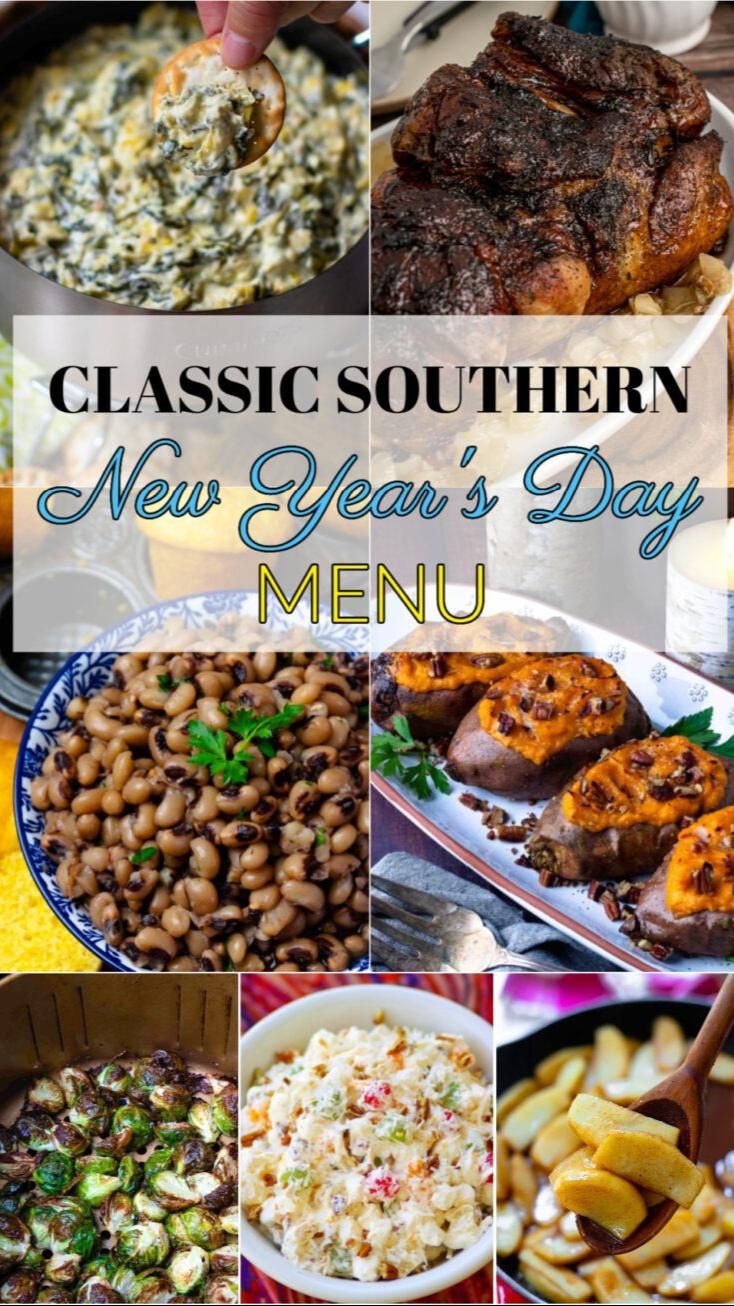
Why Southern New Year's Meals Bring Health and Luck
As the calendar flips to a new year, countless traditions emerge around the globe, each promising a fresh start and a dose of good fortune. Among the most cherished and flavorful of these is the Southern New Year's Day Menu for Luck and Prosperity. Far more than just a delicious meal, the traditional southern new years menu is steeped in history and symbolism, with each dish carefully chosen to usher in health, wealth, and happiness for the year ahead. Whether you hail from the South or simply appreciate a culinary tradition that delivers on both taste and good tidings, understanding the elements of this iconic feast reveals a rich tapestry of cultural belief and genuine nourishment.
For many, like those whose families bridge regional divides, the New Year's table often takes on a distinctly Southern accent, even if other holiday meals blend different influences. The core components of this auspicious meal – pork, black-eyed peas, and greens – are a testament to enduring wisdom passed down through generations. These aren't just random ingredients; they are culinary talismans, each playing a vital role in the grand promise of a bountiful year. Let's delve into the deep roots and delectable reasons why this beloved meal has captured the hearts and hopes of so many.
The Symbolic Significance of Each Dish
Every item on a traditional southern new years menu holds a specific symbolic meaning, rooted in history and folklore. It's this intentional selection that transforms a simple meal into a powerful ritual for inviting good fortune.
Pork: Rooting for Progress
Pork is a cornerstone of the Southern New Year's meal, symbolizing progress and moving forward. Unlike chickens, which scratch backward, or cattle, which stand still, pigs root forward with their snouts. This forward motion is seen as an omen for a year of positive advancement and leaving past troubles behind. Various cuts of pork can be used, from a slow-cooked pork roast that offers tender, flavorful meat, to ham hocks or even hog jowl, which adds a smoky depth to the black-eyed peas and greens. The richness of pork also signifies abundance and a plentiful larder throughout the year. It's a hearty and satisfying protein that grounds the meal both literally and metaphorically.
Black-Eyed Peas: A Bounty of Riches
Perhaps the most iconic component of the southern new years menu is the humble black-eyed pea. These small legumes are said to represent coins and, therefore, financial prosperity. The more black-eyed peas you eat, the more wealth you are supposedly destined to accumulate in the coming year. Often prepared as "Hoppin' John" – a flavorful dish with rice, onions, and often pork – or simply stewed with a ham hock, these peas are more than just a symbol. They are a staple of Southern cuisine, offering a comforting and delicious foundation for the New Year's feast. Their long history in Southern cooking, particularly post-Civil War when they were a crucial food source, further cemented their place in this tradition, signifying sustenance and survival.
Collard Greens (or Alternatives): Green for Growth
The green vegetables on the New Year's table are unequivocally linked to prosperity, specifically reflecting the color of paper money. Collard greens are the most traditional choice, but turnip greens or mustard greens are also popular alternatives. Even a broccoli casserole, as some families opt for, can fulfill this symbolic role. The idea is simple: the more greens you consume, the more financial growth you can expect. Beyond their symbolic value, these leafy greens are nutritional powerhouses, packed with vitamins, minerals, and fiber, contributing significantly to the "health" aspect of the New Year's promise. Cooked low and slow, often with a smoky piece of pork, they become tender and incredibly flavorful, making them a delicious way to ingest your "dollars" for the year.
Cornbread: The Golden Foundation
Often served alongside the main dishes, cornbread offers another layer of symbolism and flavor. Its golden color is said to represent gold itself, further enhancing the theme of wealth and prosperity. Beyond the symbolism, cornbread is a practical and delicious accompaniment, perfect for soaking up the flavorful "pot liquor" from the greens and peas. Whether it's a skillet of classic cornbread or a savory cornbread dressing, it adds a comforting, earthy sweetness and a satisfying texture that completes the traditional Southern spread. It’s a foundational element, much like a solid financial base for the year ahead.
Beyond Superstition: The Nutritional Benefits
While the folklore behind the southern new years menu is compelling, it's also worth noting the genuine health benefits these traditional dishes provide. This isn't just a meal for luck; it's a meal that genuinely nourishes the body.
A Balanced Plate for a Fresh Start
When viewed through a nutritional lens, the traditional Southern New Year's meal offers a surprisingly balanced plate. Pork, particularly leaner cuts, provides a good source of protein, essential for muscle repair and satiety. Black-eyed peas are a fantastic source of plant-based protein, dietary fiber, and various vitamins and minerals like folate, iron, and potassium. Their high fiber content aids digestion and can help regulate blood sugar, offering a steady release of energy. The leafy greens, whether collards, turnips, or mustard greens, are bursting with vitamins K, A, and C, as well as calcium and antioxidants. These nutrients are crucial for bone health, immune function, and fighting inflammation.
Even cornbread, while a carbohydrate, provides energy and can be a good source of whole grains when made with stone-ground cornmeal. When prepared thoughtfully, perhaps with less added fat or sodium, this traditional meal becomes a hearty, nutrient-dense feast that truly supports the "health" aspect of its promise. It's a reminder that age-old food traditions often contain inherent wisdom about balanced eating, even if the primary motivations were cultural or symbolic.
Crafting Your Own Lucky Southern New Year's Menu
Embracing the southern new years menu tradition is accessible to everyone, regardless of where you live. The beauty lies in its simplicity and the ability to adapt it to your preferences while retaining its core symbolic power.
Traditional vs. Modern Twists
While the core components remain, there's always room for personal touch. For instance, if collard greens aren't your favorite, feel free to substitute with mustard or turnip greens, or even a healthier side like roasted Brussels sprouts or the broccoli casserole mentioned in some family traditions. For pork, you might opt for a slow-cooked pork shoulder, a flavorful smoked ham, or even a leaner pork loin if you’re mindful of fat content. Black-eyed peas can be prepared simply, or elevated into a vibrant Hoppin' John salad for a lighter touch. The key is to include the symbolic elements in a way that truly excites your palate.
Essential Tips for Your Southern Feast
- Plan Ahead: Many of these dishes, especially collard greens and black-eyed peas, benefit from slow cooking, which allows flavors to meld beautifully. Consider preparing some components the day before.
- Sourcing Ingredients: Look for fresh, high-quality greens and good cuts of pork. Smoked ham hocks are fantastic for imparting deep flavor to your peas and greens.
- Seasoning is Key: Southern cooking is known for its robust flavors. Don't be shy with seasonings like garlic, onions, hot sauce, and a touch of vinegar (for the greens).
- Invite Loved Ones: Sharing this meal amplifies its intention. Gathering with family and friends adds to the warmth and communal spirit of welcoming the New Year.
- Don't Forget the Cornbread: A warm, buttery slice of cornbread is essential for rounding out the meal and soaking up all the delicious juices.
For more detailed recipes and ways to bring this tradition to life, explore resources like the Classic Southern New Year's Menu: Pork, Peas & Greens, which offers fantastic guidance on preparing these essential dishes.
Embracing the Tradition
The charm of the southern new years menu extends far beyond its delicious flavors and auspicious promises. It’s a tradition that fosters connection, memory-making, and a sense of continuity. Whether passed down through generations within a family, or adopted anew by those seeking to infuse their celebrations with deeper meaning, this meal acts as an anchor, grounding us in shared history and hopeful anticipation.
For those whose heritage blends various culinary landscapes, like growing up with both stuffing and cornbread dressing, the New Year's Day meal often stands out as a non-negotiable Southern affair. It’s a testament to the power of tradition, a comforting ritual that signals not just the turning of a year, but the deliberate act of preparing for a prosperous and healthy future. Making these dishes, year after year, becomes a personal rite of passage, a connection to ancestors and a hopeful gesture towards the days to come. It’s not just about what you eat, but the intention and belief you pour into the act of eating, making it a truly powerful way to start January 1st.
In conclusion, the southern new years menu is a beautiful blend of culinary heritage, heartfelt superstition, and genuine nutritional value. From the forward-moving pork to the coin-like black-eyed peas and money-green collards, each element is thoughtfully chosen to attract health, luck, and prosperity into the new year. By understanding and embracing this rich tradition, you’re not just preparing a meal; you’re participating in a timeless ritual, setting a delicious and hopeful tone for the 365 days ahead. So, gather your ingredients, invite your loved ones, and prepare to usher in the New Year with a plate full of fortune and flavor.
